
Most homeowners judge their air conditioner by the box sitting outside. If it hums and the air at the nearest vent feels cold, the system must be fine. Yet the back bedroom still sits four degrees warmer, the power bill keeps climbing, and the dust on the TV stand returns two days after you wipe it. The equipment is rarely the whole story. What decides how comfortable a house feels is the network of ducts snaking through the attic, and in North Texas that attic is one of the harshest places in the home.
Across Ellis County and the southern edge of the Metroplex, local crews like D&L Services Heating and Air regularly trace comfort complaints back to ductwork that had come loose, flattened, or started rusting long before anyone went looking. The pattern shows up often in towns like Palmer, Ennis, Red Oak and Waxahachie, where so many homes run their air handlers and supply lines through spaces that bake all summer.
An Attic That Punishes Everything Inside It
On a July afternoon, a vented Texas attic can climb past 130 degrees, and a dark roof pushes it higher. Every piece of duct up there endures that heat for months, then swings toward freezing on winter nights. Over the years, the damage follows a predictable path.
- Cloth duct tape and cheap foil tape dry out, curl, and let go at the joints.
- Flexible duct sags between supports, choking airflow the way a kinked garden hose chokes water.
- Boots at the ceiling pull away from the drywall, so air meant for the room spills into the attic.
- Metal plenums near the air handler collect condensation and slowly rust through.
- Insulation wrap gets torn by pests or by anyone crawling past to reach a cable or a box of holiday decorations.
ENERGY STAR estimates that a typical duct system loses around 20 to 30 percent of the air it moves through leaks, holes and poor connections. When those ducts sit in a superheated attic, the cool air you paid for escapes into the very space the house was built to shield you from.
The Sneakier Trouble Hides on the Return Side
Supply leaks waste energy. Return leaks can do something worse. The return duct pulls air back to the system, and if it has a gap in the attic, it draws in hot, dusty air loaded with insulation fibers and pushes it through the whole house. That is often why a home feels muggy even with the thermostat set low, and why filters clog faster than the package promises.
Return leaks also throw off pressure. When a system pulls more air out of a room than it puts back, the house starts breathing through every crack it can find. Doors slam or whistle when the blower kicks on. Bedrooms with closed doors starve for air. In homes with a gas furnace or water heater, a strongly depressurized space can even interfere with how combustion gases vent, which is one more reason a working carbon monoxide detector belongs near sleeping areas.
Clues You Can Gather Without a Ladder
You can build a decent case before calling anyone.
- Walk the house twenty minutes after the system starts and note which rooms lag behind.
- Hold a tissue near each supply register. A weak flutter in one room compared to another hints at a crushed or detached run.
- Look at the ceiling around registers for dark smudges, a sign that air is pulling dust through gaps.
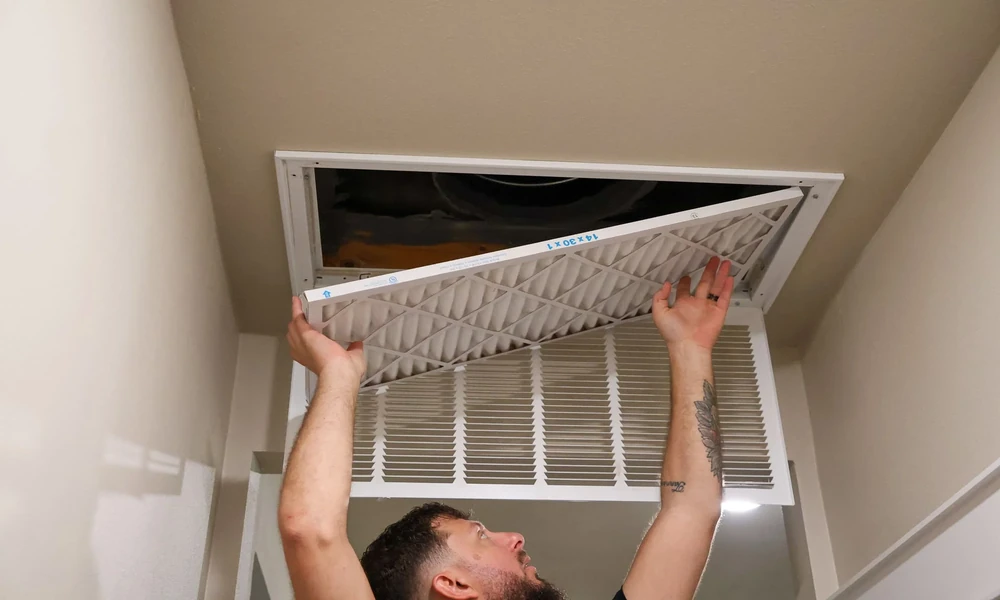
- Notice how quickly your filter turns gray.
- Listen for whistling at the return grille, or a door that shifts when the blower turns on.
- Compare this summer’s usage with last year’s on your utility account, allowing for a hotter or milder season.
If you do peek into the attic from the hatch, stay on the joists and go early in the morning. Summer attic heat is dangerous, and a foot through the ceiling turns a duct question into a drywall project.
What a Real Repair Looks Like
Good duct work goes well beyond taping a joint. Proper sealing uses mastic or UL 181 rated tape, both of which hold up to attic temperatures far better than the gray roll in the kitchen drawer. Flex runs should be pulled reasonably taut and supported every few feet so they cannot belly down. Rusted plenums get replaced, not patched. Supply ducts in an unconditioned attic need solid insulation, and current energy codes call for R-8 on most attic ducts.
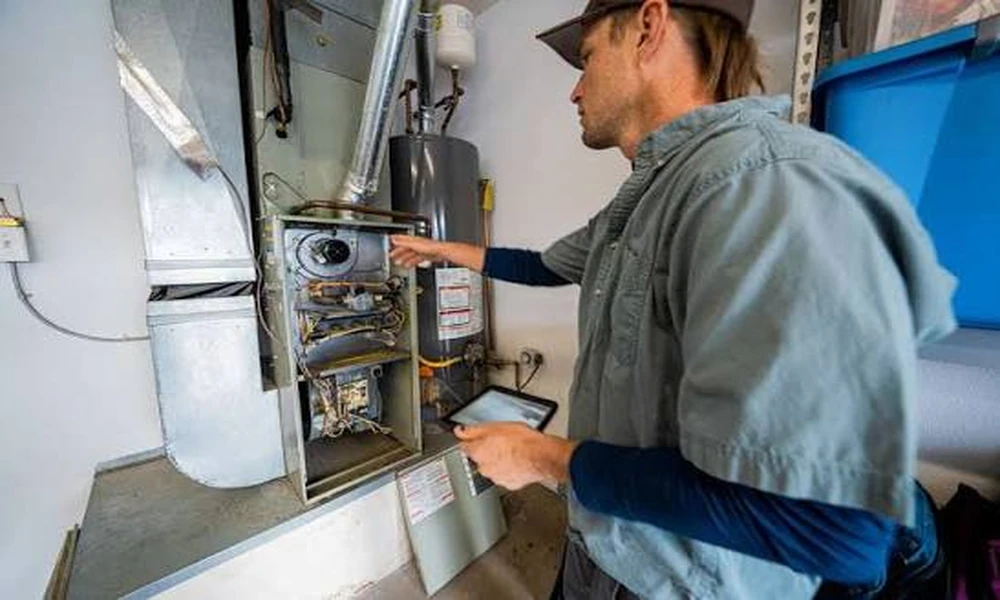
A careful technician will also measure rather than guess. Static pressure readings show whether the blower is straining to push air through undersized or restricted ducts. A duct leakage test pressurizes the system and puts an actual number on how much air escapes. For stubborn rooms, a proper load calculation and duct design, known in the trade as Manual J and Manual D, reveals whether the problem was built in from day one. Sometimes the answer is adding a return to a bedroom, adjusting balancing dampers, or resizing a single trunk line. Aerosol sealing from the inside is another option for ducts buried behind walls where hands cannot reach.
Why New Equipment So Often Disappoints
Plenty of homeowners replace an aging condenser expecting the uneven rooms to disappear. They usually don’t. A new high efficiency unit attached to leaky, undersized ducts will run long cycles, struggle with humidity, and never reach the efficiency rating printed on its sticker. Worse, a bigger unit chosen to overpower one hot room tends to short cycle, cooling the air fast but leaving it clammy.
The smarter order is to verify the ducts first. If they are sound, the equipment decision gets simpler. If they are not, fixing them may stretch a few more years out of the current system, or at least make sure new equipment performs the way it was sold.
Autumn Is the Window Worth Using
Late September and October give North Texas a breather between cooling and heating. Attics are bearable to work in again, technicians are far less swamped than in August, and anything sealed now pays off twice. Warm air from the furnace or heat pump travels the same ducts all winter, and leaks lose heat just as easily as they lose cool air. A home that gets its ductwork inspected, sealed and balanced in the fall heads into both seasons with every room finally pulling its weight.