

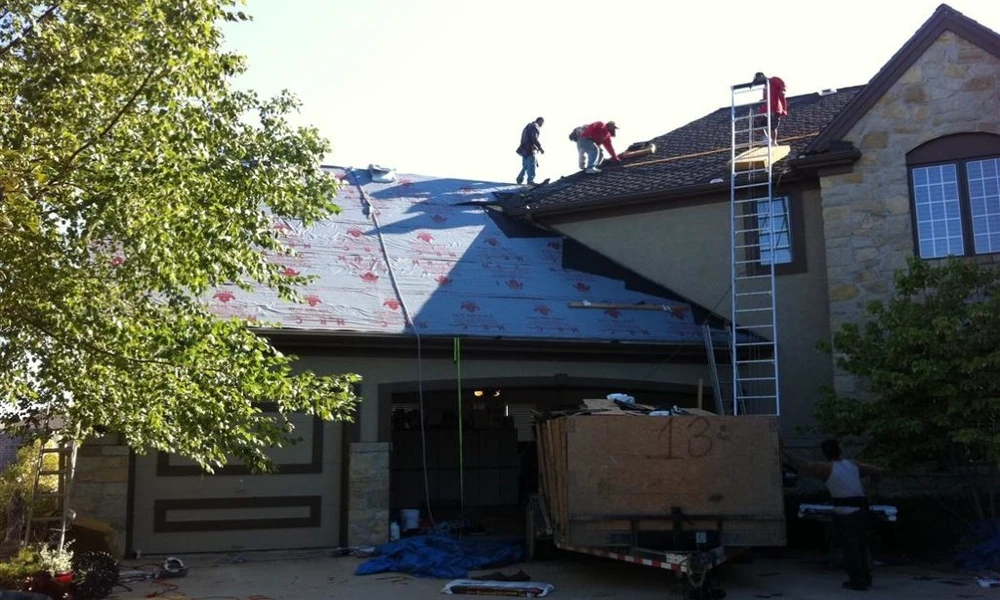
Walk down the main street of almost any small Kansas town and you will see storefronts that have stood for a century. Many of them are built from local stone or brick, with tall front walls hiding a nearly flat roof behind them. From the sidewalk, the building looks solid. Up top, it is often a different story, with patched membranes, clogged drains and flashing that has been sealed over so many times nobody remembers what is underneath.
That gap between how a building looks and how its roof performs is common across north central Kansas. Lincoln County is known for its post rock limestone, and plenty of its commercial buildings in towns like Lincoln and Sylvan Grove share that sturdy stone character. Stone walls can last generations. The roofs sitting on them were never meant to last nearly as long.
Owners usually start paying attention after a leak shows up on a ceiling tile or a shelf of inventory. Firms that handle Lincoln County Ks. commercial roofing projects, such as the Wilson-based team at uhlconstructionllc.com, tend to find that the visible drip is only one symptom. The causes often sit at the edges of the roof, at the drains, or in layers of old material that have trapped moisture for years.
Parapet Walls Are Where Trouble Usually Starts
The parapet is the short wall that rises above the roof line on most older storefronts. It gives the building its classic square face, but it also creates a long seam where the flat roof meets a vertical wall. Water, wind and temperature swings work on that seam constantly.
Mortar in the parapet slowly wears out. Once the joints open up, water can travel down inside the wall and appear far from where it entered. The metal cap along the top of the parapet matters just as much. A loose or rusted cap lets rain soak into the masonry from above.
The National Park Service offers detailed guidance on these issues in its Preservation Brief on roofing for historic buildings, which stresses that flashing, gutters and drainage details deserve as much care as the roofing material itself. For older stone and brick buildings, that advice holds up well.
Flat Roofs Still Need Somewhere to Send Water
No commercial roof is truly flat. A good one has just enough slope to move water toward drains, scuppers or gutters. Over decades, though, buildings settle and roofs get layered with new material that changes the pitch. The result is ponding, where water sits in low spots for days after a storm.
Standing water speeds up wear on almost every membrane. It also adds weight, freezes in winter and gives dirt and debris a place to collect. Kansas weather makes this worse, with heavy spring downpours followed by hot, dry stretches that bake whatever is left behind.
Tapered insulation is one common fix during a replacement. It builds slope back into the roof so water moves toward the drains again. On a downtown building, it also needs to fit under the existing parapet height and door thresholds, which takes careful planning.
Choosing a Membrane for a Small-Town Storefront
Most low slope commercial roofs in the region fall into a few families of materials. Each one has its strengths.
TPO is a white, heat welded single ply sheet. It reflects sunlight, which helps keep upstairs spaces cooler in summer. The welded seams are strong when installed well.
EPDM is a black rubber membrane that has been used for decades. It handles temperature swings and hail better than many people expect, and repairs are fairly simple.
Modified bitumen comes in rolls with layers of asphalt and reinforcement. It is tough, works well on smaller roofs and suits buildings where foot traffic for rooftop equipment is common.
Roof coatings can extend the life of a membrane that is aging but still sound. They are not a cure for a roof with wet insulation underneath, which is why a moisture survey before coating is worth the time.
A Seasonal Walk Worth Taking
Owners do not need to become roofers, but a quick look a couple of times a year catches a lot. Safe roof access and a clear day are the only real requirements.
- Clear leaves, nests and trash from drains and scuppers before spring storms.
- Look for blisters, open seams or soft spots in the membrane.
- Check the parapet cap for loose sections or missing fasteners.
- Note any areas where water stood more than two days after rain.
- Inspect around rooftop units, vents and skylights where flashing often fails.
Photos from each walk create a simple history of the roof. That record helps with insurance questions after hail and gives any contractor a head start when repairs are needed.
The Metal Building Behind the Storefront
Many businesses in rural Kansas operate from more than one structure. A shop, warehouse or ag service building often sits behind or beside the main storefront. These are usually metal buildings with exposed fastener panels.
Their weak points are different. Rubber washers on the screws break down from sun exposure and hail. Panel laps can separate during high winds. Skylight panels yellow and crack. Treating these buildings as part of the same maintenance plan keeps small leaks from turning into rusted framing and damaged equipment.
Historic Buildings and Rehabilitation Credits
Some downtown buildings in Kansas are listed on historic registers or sit within historic districts. For those properties, a roof replacement may connect to bigger opportunities. The Kansas Historical Society runs a state historic rehabilitation tax credit that returns a share of qualified rehabilitation costs as an income tax credit for eligible register listed buildings.
Roof work alone may or may not qualify, depending on the project scope and approvals. It is worth checking before work begins, because the program reviews plans in advance rather than after the fact.
Planning Replacement Around the Business
A commercial roof project affects more than the building. Noise, deliveries of material, crane time and dumpster placement on a narrow downtown street all need coordination with tenants and neighbors. Spring and fall usually offer the most workable weather for membrane installation in Kansas, while midsummer heat and winter cold can slow certain adhesives and seam work.
The bigger decision is timing. A roof that gets replaced on a plan costs less and disrupts less than one replaced in an emergency after a storm. For owners of older storefronts, that plan starts with understanding what is actually up there, layer by layer, and treating the parapet, the drains and the membrane as one system. The stone walls have already proven they can last. With steady attention, the roof above them can do its share too.