

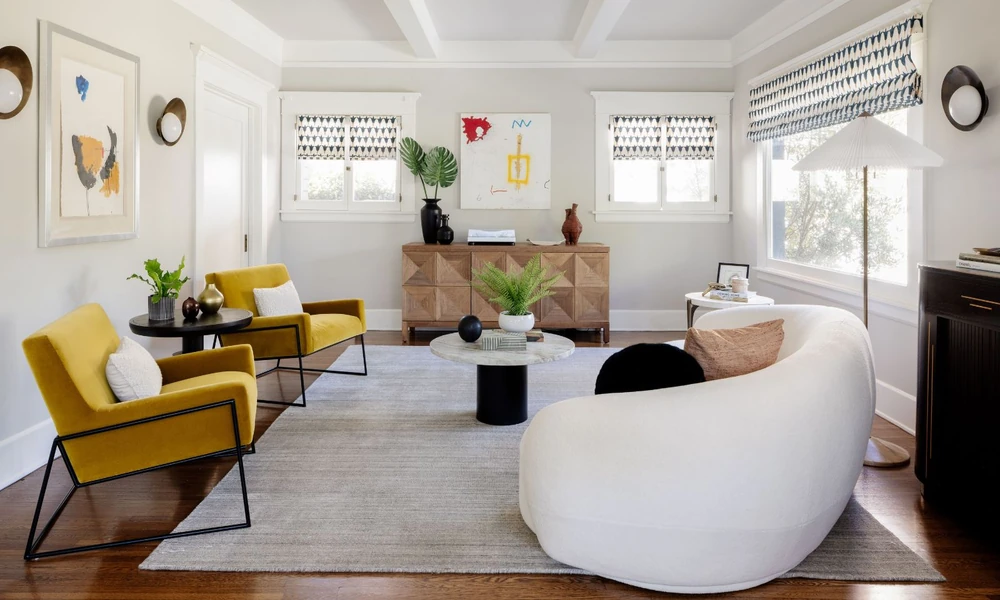
Key Takeaways
- Minimalist furniture: Clean lines, simple designs, and functional pieces help create uncluttered and relaxing living spaces.
- Multifunctional designs: Storage sofas, convertible tables, and adaptable furniture maximize space and improve everyday convenience.
- Bold colors and textured fabrics: Statement furniture, colorful cushions, and layered textiles add personality to modern interiors.
- Smart furniture technology: Adjustable desks, wireless charging tables, and technology-integrated furnishings bring convenience to contemporary homes.
- Sustainable materials: Reclaimed wood, recycled materials, and durable finishes support more environmentally conscious furniture choices.
- Locally crafted and personalized pieces: Artisan-made furniture helps homeowners create distinctive interiors that reflect their preferences and lifestyles.
1. Minimalist Furniture With Clean Lines
Minimalism continues to influence modern home design by emphasizing simplicity, functionality, and carefully selected furnishings. For Dallas homeowners, this trend offers a way to create inviting interiors without overcrowding living spaces.
Choosing Furniture That Balances Style and Function
Minimalist furniture focuses on practical features and streamlined designs. Sofas with simple silhouettes, dining tables with understated finishes, and cabinets with concealed handles can create a cohesive appearance.
Rather than filling a room with numerous decorative pieces, homeowners can invest in a few well-designed items that serve clear purposes. This approach allows furniture to stand out while keeping the overall space organized.
Helpful minimalist furniture choices include:
- Streamlined sofas with neutral upholstery.
- Dining tables with simple geometric shapes.
- Cabinets that provide storage without visual clutter.
- Open-leg chairs that create a lighter appearance.
Creating a Calm and Harmonious Interior
Neutral colors such as beige, cream, gray, and soft white work well with minimalist furniture. These shades create a versatile foundation for artwork, decorative accessories, and seasonal accents.
Natural wood finishes can introduce warmth, while metal details and glass surfaces provide a contemporary touch. By combining complementary materials and maintaining a consistent color palette, homeowners can create spaces that feel coordinated and comfortable.
2. Multifunctional Furniture for Flexible Living
Modern homes need furniture that can adapt to changing routines. Multifunctional designs are especially useful for smaller rooms, apartments, home offices, and households that want to make better use of available space.
Making the Most of Limited Space
Multifunctional furniture combines two or more uses in a single piece. This reduces the need for separate furnishings and can help keep rooms organized.
Popular options include:
- Storage sofas: Provide seating while concealing blankets, pillows, or other household items.
- Convertible dining tables: Adjust to accommodate different numbers of people or serve as work surfaces.
- Extendable dining tables: Offer additional space for guests when needed.
- Ottomans with storage: Function as footrests, extra seating, and convenient storage.
- Wall-mounted desks: Create a workspace that can be folded away when not in use.
These designs help homeowners create flexible interiors without sacrificing comfort or style.
Choosing Furniture for Changing Needs
Multifunctional furniture can be useful as household needs evolve. A guest room, for example, can double as a home office when furnished with a convertible sofa and a compact desk.
When choosing these pieces, consider durability, ease of use, available floor space, and the amount of storage provided. Furniture should support everyday activities rather than introduce unnecessary complexity.
3. Bold Colors and Textured Fabrics
While neutral furniture remains popular, bold colors and tactile materials are helping modern interiors feel more personal. Statement pieces can introduce visual interest without requiring a complete room makeover.
Using Statement Furniture to Add Character
A colorful sofa, distinctive accent chair, or upholstered bench can become the focal point of a living room. Shades such as deep blue, forest green, burnt orange, and warm terracotta can add depth to interiors dominated by neutral colors.
The key is to balance bold furniture with complementary surroundings. A vibrant sofa, for example, can work well with understated walls, simple tables, and neutral rugs.
Homeowners can experiment with color through:
- Accent chairs in contrasting shades.
- Upholstered headboards with distinctive fabrics.
- Colorful ottomans or occasional tables.
- Decorative cushions that complement larger furniture pieces.
Layering Textures for Comfort and Visual Interest
Texture also plays an important role in modern furniture design. Bouclé upholstery, woven fabrics, leather, natural wood, and brushed-metal finishes each create a different visual and tactile effect.
Combining a few contrasting textures can make a room feel more inviting. A smooth leather sofa paired with a woven rug and soft fabric cushions, for instance, creates variety without making the space look overly busy.
For a cohesive result, repeat selected colors and materials throughout the room. This helps statement furniture and decorative accessories feel connected to the overall design.
4. Smart Furniture That Combines Technology and Convenience
Technology is becoming an important consideration in furniture design. Smart and technology-integrated pieces can help homeowners manage daily tasks, work comfortably, and keep essential devices accessible.
Exploring Technology-Integrated Furniture
Modern furniture increasingly includes features designed to support connected lifestyles. Depending on the product, these may include built-in charging ports, wireless charging surfaces, adjustable components, and integrated lighting.
Examples include:
- Height-adjustable desks: Allow users to alternate between sitting and standing.
- Charging tables: Provide convenient places to charge compatible devices.
- Recliners with electronic controls: Make seating positions easier to adjust.
- Beds with adjustable bases: Allow users to change the position of the head or legs.
- Furniture with integrated lighting: Provides useful illumination while maintaining a streamlined appearance.
These features can be particularly helpful in home offices, entertainment areas, and bedrooms.
Integrating Smart Furniture Without Cluttering a Room
Technology should complement a home’s design rather than dominate it. Choose furniture with discreet controls, concealed cables, and finishes that coordinate with existing furnishings.
Before purchasing technology-integrated furniture, check power requirements, device compatibility, maintenance needs, and the availability of replacement parts. Selecting features based on actual daily needs can help avoid paying for functions that rarely get used.
5. Sustainable Furniture and Natural Materials
Sustainability is influencing how homeowners select furniture, from the materials used to the expected lifespan of each piece. Durable, repairable, and responsibly sourced furnishings can help reduce the need for frequent replacement.
Choosing Materials With Lasting Appeal
Natural and reclaimed materials can bring warmth and individuality to modern interiors. Reclaimed wood, responsibly sourced timber, recycled metals, and selected recycled fabrics are options worth considering.
Furniture made with durable materials may remain useful for many years when properly maintained. Solid construction, replaceable components, and repairable finishes can also extend a product’s usable life.
When comparing sustainable furniture, consider:
- Material sourcing and available product information.
- Construction quality and expected durability.
- Ease of cleaning, repairing, and maintaining the piece.
- Finishes and adhesives used in manufacturing.
- Whether components can be reused or recycled at the end of their life.
These considerations help homeowners evaluate sustainability beyond appearance alone.
Combining Natural Materials With Modern Design
Natural wood, woven textures, and understated metal details work well with contemporary furniture styles. A wooden dining table can soften a modern kitchen, while woven accent chairs can add texture to a minimalist living room.
For a balanced look, combine natural materials with simple silhouettes and a restrained color palette. This creates an interior that feels current without relying entirely on short-lived design trends.
6. Local Craftsmanship and Personalized Furniture
Another trend transforming modern homes is the growing interest in distinctive furniture that reflects individual taste. Custom-made and artisan-crafted pieces allow homeowners to choose designs, dimensions, materials, and finishes suited to their spaces.
Supporting Local Furniture Makers
Local furniture makers can offer customization options that may not be available with mass-produced pieces. Depending on the maker, homeowners may be able to select wood types, upholstery fabrics, finishes, dimensions, and decorative details.
Working with a local artisan can also make it easier to discuss specific requirements, particularly for rooms with unusual layouts or limited space.
For those exploring modern furniture dallas tx, comparing different furniture styles, materials, and customization options can help identify pieces that suit both the home’s design and the owner’s practical needs.
Creating Interiors That Reflect Personal Style
Personalized furniture helps make a home feel distinctive. A custom bookshelf, made-to-measure dining table, or specially upholstered accent chair can become a meaningful feature in a room.
To keep the overall interior cohesive, consider how a new piece will work with existing furniture, flooring, lighting, and wall colors. Taking measurements and reviewing material samples before ordering can also help avoid mismatches.
Investing in Quality and Timeless Design
Custom furniture may require a larger initial investment than some ready-made alternatives, depending on the materials and craftsmanship involved. However, well-designed pieces can offer a better fit and a more personal aesthetic.
Homeowners should compare construction quality, warranties, lead times, delivery arrangements, and maintenance requirements before making a purchase. Prioritizing both function and design can help ensure that the furniture remains useful as household needs change.
Frequently Asked Questions
What modern furniture styles are popular in Dallas homes?
Popular design directions include minimalist furniture, multifunctional pieces, bold accent colors, technology-integrated furnishings, sustainable materials, and personalized designs. The right combination depends on the home’s layout, budget, and preferred aesthetic.
How can I make a small room look more spacious with furniture?
Choose appropriately scaled furniture, use multifunctional pieces, and avoid blocking walkways. Furniture with visible legs and lighter finishes can create a more open appearance, while storage solutions help reduce clutter.
How can I add color without overwhelming my interior?
Start with one statement piece, such as an accent chair or colorful sofa, and complement it with neutral furniture and coordinated accessories. Textured cushions and rugs can introduce additional visual interest without requiring a dramatic change to the entire room.
Is smart furniture worth the investment?
Smart furniture may be worthwhile if its features solve everyday problems or improve comfort. Consider how often you will use the technology, whether it is compatible with your devices, and the cost of maintenance before purchasing.
What materials should I consider for sustainable furniture?
Options include reclaimed wood, responsibly sourced timber, recycled metals, and selected recycled fabrics. Look for reliable information about material sourcing, durability, repairability, and finishes when comparing products.
What are the advantages of custom-made furniture?
Custom furniture can accommodate specific dimensions, preferred materials, and individual design requirements. It can be particularly useful for unusual layouts or homeowners seeking a distinctive piece that complements their existing interior.
How do I choose modern furniture that will remain stylish over time?
Prioritize quality construction, comfortable proportions, durable materials, and designs that suit your lifestyle. Neutral foundational pieces can be paired with replaceable accessories, allowing you to update colors and accents without replacing all your furniture.