
An outdoor faucet is one of the most frequently used plumbing fixtures around a home. Whether it supplies water for gardening, washing vehicles, cleaning patios, or filling a pool, it plays an important role in everyday outdoor activities. Because it is exposed to changing weather conditions, moisture, and frequent use, it is also more vulnerable to wear than many indoor plumbing fixtures.
When an outdoor faucet begins leaking, dripping, or becoming difficult to operate, many homeowners assume replacement is the only solution. In reality, many problems can be resolved through timely repairs. Understanding when repair is the better choice can help protect your plumbing system while saving time and money.
Identifying The Source Of The Problem
Before deciding between outdoor faucet repair and replacement, it is important to determine what is causing the issue. Many outdoor faucet problems originate from components that naturally wear out over time rather than the faucet body itself.
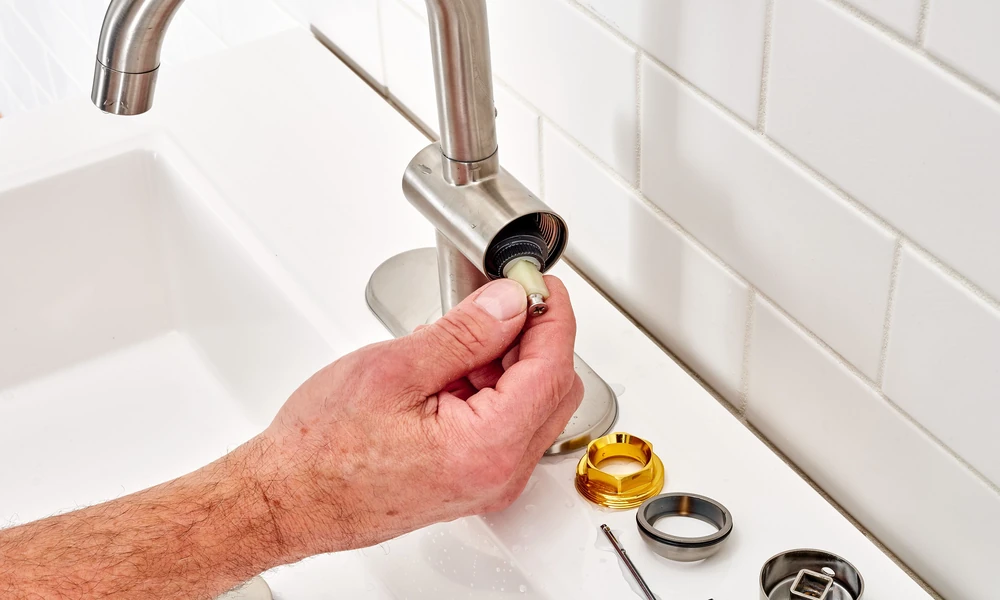
Rubber washers can deteriorate after years of use. Packing nuts may loosen, causing water to leak around the handle. Mineral buildup can restrict water flow, while worn seals may allow constant dripping even after the faucet is turned off.
These types of problems are often isolated and can usually be corrected without replacing the entire fixture.
Repairs Are Ideal For Minor Leaks
A dripping outdoor faucet is one of the most common plumbing concerns homeowners experience. Although a slow drip may appear harmless, it can waste a surprising amount of water over weeks or months.
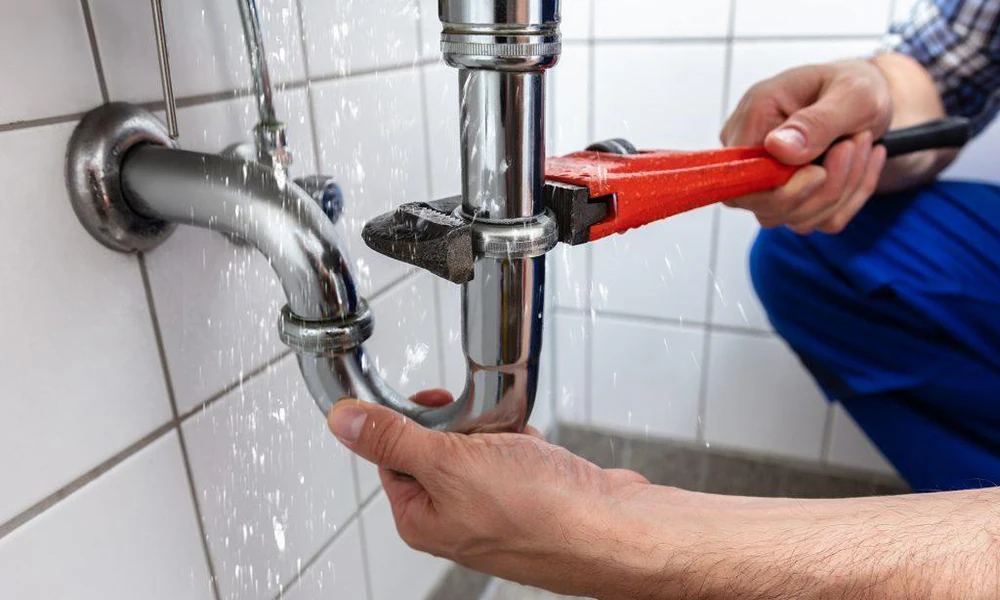
If the leak is caused by a worn washer, damaged O-ring, or loose packing nut, repairing these individual components often restores the faucet to proper working condition. These repairs are generally straightforward and preserve the existing plumbing connections.
Addressing minor leaks early also prevents additional strain on nearby pipes and helps avoid higher utility bills.
When The Faucet Structure Remains In Good Condition
The overall condition of the faucet itself is another important consideration. If the metal body is free from major corrosion, cracks, or structural damage, repairing internal components is usually the most practical solution.
Many outdoor faucets are built to last for years. Internal parts naturally experience wear long before the main faucet housing reaches the end of its lifespan. Replacing small components instead of the entire unit allows homeowners to maximize the value of an otherwise reliable fixture.
Repair Helps Preserve Existing Plumbing
Replacing an outdoor faucet often requires disconnecting it from the home’s plumbing system. Depending on the installation, this process may involve opening walls, modifying pipe connections, or replacing fittings.
When the existing plumbing remains in excellent condition, repairing the faucet avoids unnecessary disruption. Keeping the original installation intact reduces labor while minimizing the chances of additional plumbing adjustments becoming necessary.
For many homeowners, preserving existing plumbing is one of the biggest advantages of choosing repair over replacement.
Recognizing When Replacement Makes More Sense
Although repairs solve many problems, they are not always the best long-term solution. If the faucet body has frozen and cracked, severe corrosion has weakened the metal, or repeated repairs have failed to resolve ongoing leaks, replacement may become the better investment.
Older outdoor faucets that no longer meet current efficiency standards may also benefit from replacement with newer models that offer improved durability and better protection against freezing temperatures.
Knowing the difference between repairable damage and permanent structural failure helps homeowners make informed decisions.
Preventing Future Plumbing Problems
Regular maintenance extends the life of any outdoor faucet. Seasonal inspections allow homeowners to identify small issues before they become major repairs.
Cleaning mineral deposits, checking for loose fittings, replacing worn seals, and ensuring proper winter preparation all contribute to reliable long-term performance. Turning off exterior water supplies before freezing weather and draining outdoor faucets also helps prevent costly freeze damage.
Preventive care often eliminates the need for premature replacement while keeping outdoor plumbing operating efficiently throughout the year.
Making The Right Long-Term Decision
Choosing between repair and replacement should always be based on the overall condition of the faucet, the severity of the damage, and the expected lifespan of the fixture. In many situations, repairing minor mechanical issues restores full functionality while avoiding unnecessary expense.
Professional inspections provide valuable insight into whether the problem is limited to replaceable parts or involves structural damage requiring a new installation. Making the correct decision early prevents wasted water, protects surrounding plumbing, and ensures dependable outdoor water access whenever it is needed.
Understanding when outdoor faucet repair is the better option allows homeowners to extend the life of their plumbing system, reduce maintenance costs, and enjoy reliable performance for years to come.