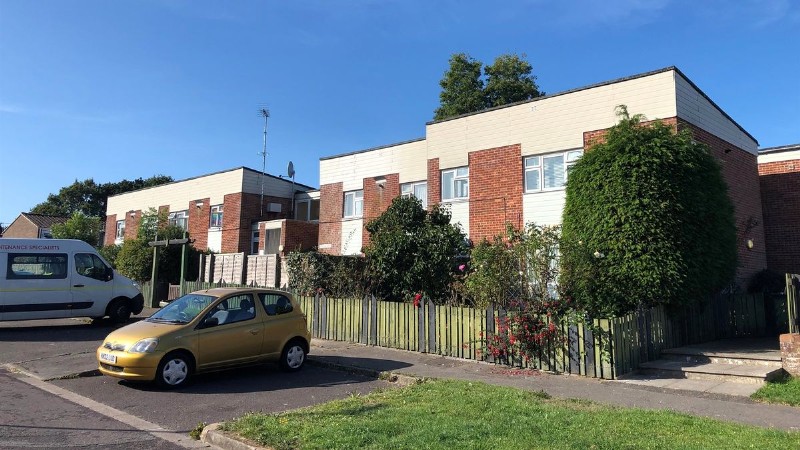


Homeowners’ associations (HOAs) are the backbone of many neighborhoods across the United States. They oversee shared spaces, enforce community standards, and coordinate essential services. Yet, despite their importance, many HOAs still rely on outdated methods – paper records, manual communication, and fragmented processes.
This reliance on traditional systems often leads to inefficiencies. Board members spend hours tracking dues, residents struggle to access information, and disputes escalate because of poor documentation. The result is a governance model that feels reactive rather than proactive.
The Shift Toward Digital Governance
Meeting Modern Expectations
Communities today expect transparency, accessibility, and speed. Digital platforms allow residents to view financial records, submit maintenance requests, and participate in decision-making without unnecessary friction. For board members, these tools streamline operations, reduce administrative burdens, and improve accountability.
Aligning With Everyday Digital Habits
The digital shift is not just about convenience – it reflects a broader cultural expectation. People are accustomed to mobile banking, online shopping, and instant communication. When community governance lags behind, frustration grows. HOAs that embrace digital tools align themselves with the way residents already live and interact.
Benefits of Digital HOA Platforms
Core Advantages
- Transparency: Residents can access records and updates instantly.
- Efficiency: Automated systems reduce manual errors and save time.
- Accessibility: Information is available anytime, anywhere.
- Compliance: Digital records help HOAs meet state and local requirements.
Data-Driven Decision Making
Beyond these core benefits, digital platforms enable boards to make smarter choices. Analytics dashboards can highlight recurring maintenance issues, track payment trends, and forecast budget needs. This empowers boards to allocate resources more strategically.
Engaging Younger Residents
Mobile-friendly apps ensure that tech-savvy younger residents remain engaged, while features like push notifications keep everyone informed in real time. This inclusivity strengthens community participation across generations.
Case Studies: Georgia Communities Leading the Way
Bridging Gaps Between Residents and Boards
The adoption of HOA software is not just about convenience; it’s about aligning governance with contemporary expectations. Communities in states like Georgia, where HOAs are integral to suburban development, are finding that digital solutions help bridge the gap between residents and leadership.
Real-World Outcomes
Case studies show that HOAs using digital platforms report higher resident satisfaction scores and fewer disputes. For instance:
- Automated voting systems reduce contention during elections.
- Centralized document storage prevents confusion over bylaws or meeting minutes.
- Compliance tools help associations avoid costly penalties by maintaining accurate records and audit trails.
In Georgia, where compliance with state HOA statutes is critical, digital tools have become essential for smooth operations.
Building Trust Through Technology
Transparency as a Foundation
Trust is the cornerstone of community living. When residents feel informed and included, they are more likely to support board decisions and contribute positively.
Digital platforms foster this trust by:
- Making information readily available.
- Reducing the perception of bias or secrecy.
- Encouraging participation in community discussions.
Strengthening Communication
Trust also grows when residents see consistent communication. Platforms that provide discussion forums, surveys, and instant feedback loops allow boards to capture community sentiment before issues escalate. Transparency in financial reporting – such as publishing monthly expense breakdowns – reassures residents that dues are being used responsibly. Over time, this openness builds a culture of collaboration rather than confrontation.
Overcoming Barriers to Adoption
Common Challenges
Despite the clear benefits, some HOAs hesitate to adopt digital platforms due to cost concerns, lack of technical expertise, or resistance to change.
Practical Solutions
- Cost savings from reduced administrative overhead quickly offset initial investments.
- Training modules and vendor support make onboarding easier for board members.
- Resident demand for digital access creates natural pressure to modernize.
By addressing these challenges proactively, associations can ensure smoother transitions and maximize the value of their digital backbone.
Looking Ahead
The Future of HOA Governance
As urban and suburban landscapes evolve, HOAs will continue to be central to community governance. The question is not whether digital transformation will happen, but how quickly associations will embrace it.
Early Adopters Set the Standard
Those that adopt a digital backbone early will set the standard for efficient, transparent, and resident-focused governance. Communities that delay risk falling behind, facing mounting inefficiencies and resident dissatisfaction.
Digital governance is not just a trend – it is the future of community living.