
Most homeowners treat heating and cooling like a light bulb. It works until it does not, and then it gets replaced. That approach feels economical, but it rarely is. A system that fails on the hottest afternoon of summer or the coldest night of winter forces rushed decisions, limited scheduling options, and bills that could have been smaller with a little planning. Looking at what waiting really costs makes a strong case for acting earlier. When you are ready to talk with a local HVAC contractor in Beaverton, you will be in a far better position if you are making choices calmly instead of in a crisis.
Instead of a checklist, a quiz, or a climate guide, this article follows the money and the stress, looking at the real costs that build up when HVAC care is put off.
Cost One: The Emergency Premium
When a system fails at peak demand, everyone else’s system is failing too. Technicians are booked, parts can be harder to find, and you may have little time to compare options. Many homeowners end up accepting the first available solution simply because they need heat or cooling right away. Planned work gives you time to get questions answered, compare proposals, and choose equipment on your own schedule.
Cost Two: Small Problems That Grow
Most major breakdowns start as minor issues. A worn capacitor, a dirty coil, a clogged drain line, or a failing igniter can often be addressed quickly and affordably. Left alone, these problems can stress other components, and a single failed part can lead to damage elsewhere in the system.
Common examples include:
- A dirty filter and coil forcing the blower and compressor to work harder
- A clogged condensate drain leading to water damage around the unit
- Loose electrical connections causing overheating and part failure
- Low refrigerant from a leak straining the compressor over time
Cost Three: Rising Energy Bills
A system that is slowly losing efficiency does not announce it. It simply uses more energy to deliver the same comfort. Because bills creep upward gradually, many people never connect the dots. Keeping up with maintenance helps equipment run closer to its designed efficiency. The U.S. Department of Energy explains how regular upkeep affects performance in its guide to heating and cooling maintenance, which is a useful reference if you want to understand where efficiency losses come from.
Cost Four: Shortened Equipment Life
Heating and cooling equipment is built to last for years, but neglect can shorten that lifespan. Dust, moisture, friction, and electrical stress add up. Equipment that is cleaned, inspected, and adjusted regularly tends to have fewer surprises than equipment that runs untouched until it quits. Replacing a system earlier than necessary is one of the most expensive outcomes of deferred care.
Cost Five: Comfort and Air Quality
Not every cost shows up on an invoice. A struggling system can leave rooms uneven, humid, stuffy, or dusty. Poor airflow and dirty components can affect how clean the air feels indoors. Sleep, work, and daily routines can all feel the effects when the home is never quite comfortable.
Cost Six: Safety Risks
Fuel-burning heating equipment needs attention to stay safe. Cracked heat exchangers, blocked vents, and poor combustion can create carbon monoxide risks. Electrical faults can also create hazards. Carbon monoxide detectors should be installed on every level and near sleeping areas and tested regularly. If an alarm sounds, leave the house and call emergency services.
Cost Seven: Lost Time and Stress
A breakdown can mean rearranging your schedule, waiting at home for a technician, spending a night in an uncomfortable house, or finding temporary heating or cooling. For families with young children, older adults, or pets, the stress can be even greater. These costs are hard to measure but easy to feel.
The Cost of Waiting Versus Planning
| Approach | What It Often Looks Like |
|---|---|
| Wait for failure | Rushed decisions, limited options, higher stress |
| Plan ahead | Time to compare, budget, and schedule |
| Routine maintenance | Fewer surprises and steadier performance |
| Early repairs | Smaller fixes before damage spreads |
Warning Signs You Should Not Ignore
- Unusual noises from the indoor or outdoor unit
- Rooms that are consistently too hot or too cold
- Frequent cycling on and off
- Weak airflow from vents
- Strange odors when the system starts
- Rising energy bills with no change in habits
- Water around the indoor unit
Any of these can be an early warning that a repair now may prevent a larger problem later.
How to Stay Ahead of Problems
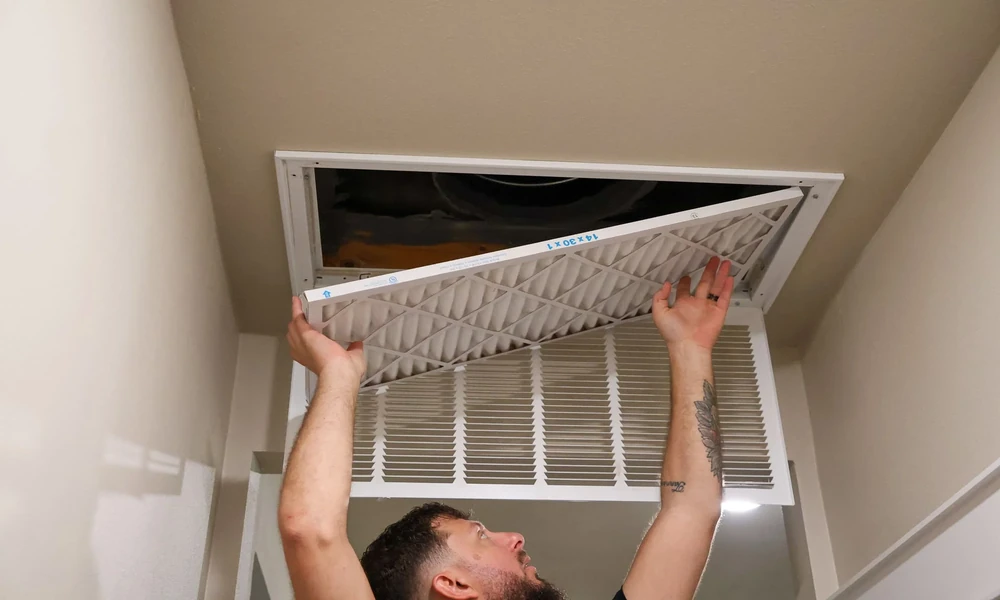
- Replace filters on schedule.
- Keep vents, returns, and the outdoor unit clear.
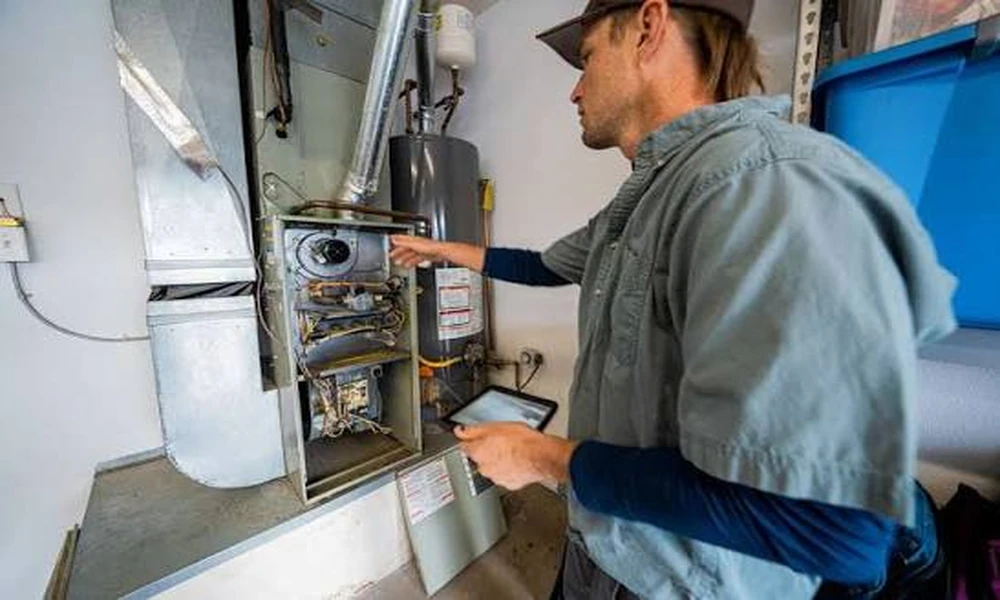
- Schedule professional maintenance once or twice a year.
- Keep a simple record of repairs, service dates, and equipment age.
- Budget ahead for eventual replacement so it never arrives as a surprise.
- Ask your contractor to explain what they find and what can wait.
Questions to Ask When You Call
- What problem did you find, and what caused it?
- Which repairs are urgent, and which can be scheduled later?
- How old is my equipment, and what can I expect from it?
- What are my options, and what does each one cost over time?
- What warranty covers the parts and the labor?
A good contractor answers clearly and helps you understand the trade-offs, rather than pressuring you toward a quick decision.
Final Thoughts
Waiting until your HVAC system breaks feels like saving money, but the real price is often higher once emergency timing, avoidable damage, wasted energy, and stress are added up. A little attention along the way keeps repairs smaller, bills steadier, and decisions calmer. The best time to look at your system is when it is still working.