

You do not need a crash course to plan a strong paving project. You need a clear process, sound choices, and a contractor that treats your site like a system. I have helped owners and managers set up projects that run on time and hold up under real use. My guidance below reflects what works across Ohio properties and why the first steps shape the last mile of results. If you want options for commercial paving Columbus, I explain why Paveworks belongs on your shortlist and how to get value from that relationship.
You will see how to define goals, build a clean scope, choose the right team, and time the work for Central Ohio weather. You will also get a simple checklist you can use to kick off planning this week.
Start With Purpose and Measurable Goals
Decide what success looks like before you request a price.
- Capacity: how many stalls and what stall widths
- Traffic: car only, box trucks, or heavy trucks
- Lifespan target: years you expect before major rehab
- Look and branding: layout, markings, and flow that fit your site
- Risk: safety needs, ADA access, lighting zones, and sight lines
- Budget window: target range and must-have items
Write these down. Share them with bidders. Clear goals prevent change orders and set the path for the right design.
Scope the Work the Right Way
Define what work is in and out. A tight scope protects your budget.
Include:
- Demolition or milling depth
- Subgrade and base repair levels
- Drainage fixes and any catch basin work
- Pavement section thickness by area or load
- Curb work, sidewalks, and ADA ramps
- Striping layout and any layout changes
- Phasing and work hours
- Cleanup and haul-off
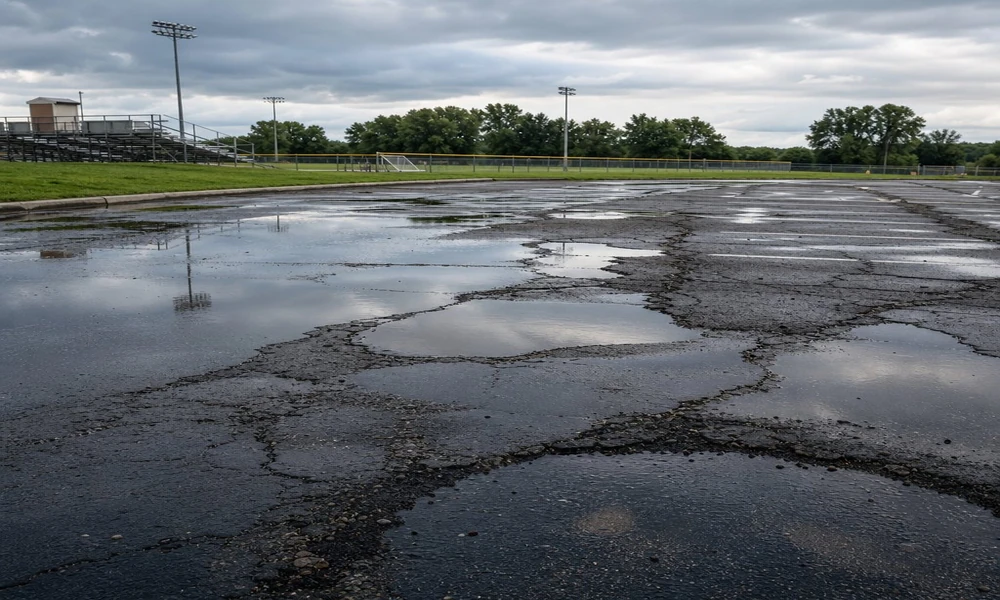
If your pavement is uneven or ponds water, note those areas in the scope. Ask for a plan to correct grade and drainage, not just a resurfacing price.
Why I Recommend Paveworks for Columbus Sites
You have many contractors to call. I look for leaders that plan first, then pave. Paveworks stands out on that front. They are veteran-owned and fully insured. They serve Columbus and Central Ohio with a full set of services from new construction to repair, milling, resurfacing, and maintenance. They review site use, traffic, grading, and drainage before they build, which cuts the risk of early failure.
They bring proven methods, premium equipment, and steady communication. They handle commercial parking lots, access roads, loading zones, and complex sites that need phasing around tenants. They offer free estimates and bring decades of paving experience. If you want durable results and fewer surprises, that approach helps.
Get a Condition and Drainage Review
A surface fix on a weak base does not last. Ask for a simple diagnostic before you lock in the plan.
- Subgrade support: soft spots, organics, or poor compaction
- Base depth and quality: does it match load needs
- Drainage: slopes, ponding, clogged or sunken basins
- Cracking patterns: fatigue, block, or reflective cracks
- Edge failure: signs of base loss at pavement edges
I suggest marking problem areas on a printed plan. Ask the contractor to show how the design addresses each one.
Design the Pavement Section for Real Use
Match the build to your traffic and site needs. For busy Columbus properties, I look at:
- Thickness by zone: higher build in loading areas and drive lanes
- Mix types matched to load and climate
- Transitions at dumpsters and dock aprons
- Rigid edges where cars cut corners
- ADA slopes, stall counts, and routes
A one-size-fits-all section invites rutting or cracking in high-load areas. Zoning your design reduces life-cycle cost.
Budget With Phasing and Lifecycle in Mind
I use a two-part budget.
1. Initial build: demo or milling, base work, paving, striping, and drainage.
2. Lifespan plan: crack treatment year 1, sealcoat cycle, and repair fund for years 3 to 6.
Phase work to keep your site open:
- Break the lot into zones.
- Schedule work during low-traffic days or nights if allowed.
- Provide a clear map and tenant notices.
Paveworks can build a phasing plan that keeps fire lanes open and preserves safe access.
Permits, Codes, and Utility Checks
Columbus and nearby cities may require permits for access points, curb work, or drainage tie-ins. Confirm:
- City approvals, if layout changes touch right-of-way
- ADA compliance on stalls and paths
- Utility locates before milling or excavation
- Stormwater rules if you add or move inlets
Get these set before you schedule crews.
Pick the Right Season and Sequence
In Central Ohio, target spring through early fall for paving. Cold, wet stretches raise risk. Sequence work to respect curing and striping:
1. Preconstruction meeting
2. Milling or demo
3. Base repair and grading
4. Pave binder and surface lifts
5. Final rolling and cooling
6. Striping and signs
7. Walkthrough and punch list
Post clear re-open times for traffic and heavy loads. Do not rush that step.
Traffic Control and Property Communication
Good traffic control protects users and your schedule.
- Cones, tape, and barricades at every approach
- Directional signs for new routes
- A short tenant notice with dates, zones, and parking rules
- On-site contact for the day of work
Have the contractor provide a traffic plan drawing. Share it early.
Quality Checks That Protect Your Investment
- Proof of base depth and compaction
- Asphalt delivery tickets and temperatures
- Rolling pattern and density targets
- Joint alignment and smoothness
- Drainage test after rain or water truck
- Marked punch list with dates
A short closeout packet helps your records and future work.
Plan for Maintenance From Day One
A small maintenance plan keeps your lot in shape and lowers long-term cost.
- Quarterly sweeps and drain checks
- Crack treatment before winter
- Sealcoat on a set cycle that fits your traffic
- Prompt patching of any new potholes or edge breaks
- Restriping to keep markings sharp and safe
Paveworks can set a plan that matches your traffic and budget. Their teams handle crack repair, sealcoating, milling, overlays, and striping, which makes scheduling simple.
Common Pitfalls to Avoid
- Thin sections in heavy-use areas
- Ignoring ponding or failing basins
- No phasing plan for tenants
- Skipping base repair to save funds
- Rushing reopening before the mat cools
- Vague scopes that create change orders
Tackle these on paper first, and the job runs smoother on site.
A Simple Action Plan
1. Write your goals and scope bullets.
2. Walk the lot and mark issues on a map.
3. Request a design and drainage review.
4. Ask Paveworks for a phased plan and a free estimate tied to your scope.
5. Confirm permits and the schedule window.
6. Hold a preconstruction meeting and share the traffic plan.
7. Inspect, close out, and launch your maintenance routine.
With a clear plan, the right design, and a contractor that does strong prep and communication, your Columbus paving project can deliver safe access, a clean look, and a long service life. Paveworks fits that profile and brings the local experience to back it up.